Dry Storage in Jeddah: What Importers Need to Know in 2026
Jeddah’s port handles a staggering share of the goods entering Saudi Arabia, and every container that clears customs eventually needs somewhere to sit before it reaches a shelf, a kitchen, or a warehouse floor. Dry storage in Jeddah is the quiet link in that chain, and it is one of the few logistics decisions that can either protect your margins or quietly destroy them.
If you import, distribute, or manufacture in the Jeddah corridor, this guide walks through what dry storage actually means, how it differs from other storage categories, and what to check before you hand your goods to a provider.
Why Jeddah’s Port Location Changes the Storage Equation
Jeddah Islamic Port is one of the busiest maritime gateways on the Red Sea, managed under the oversight of the Saudi Ports Authority (Mawani). The sheer volume of containerized cargo moving through the city means storage providers near the port corridor compete on turnaround speed as much as on price.
For an importer, that competition is good news, but only if you know how to evaluate it. A facility five minutes from the port with slow unloading processes can cost you more in detention fees than a slightly farther facility with efficient handling.
What Counts as “Dry” Storage?
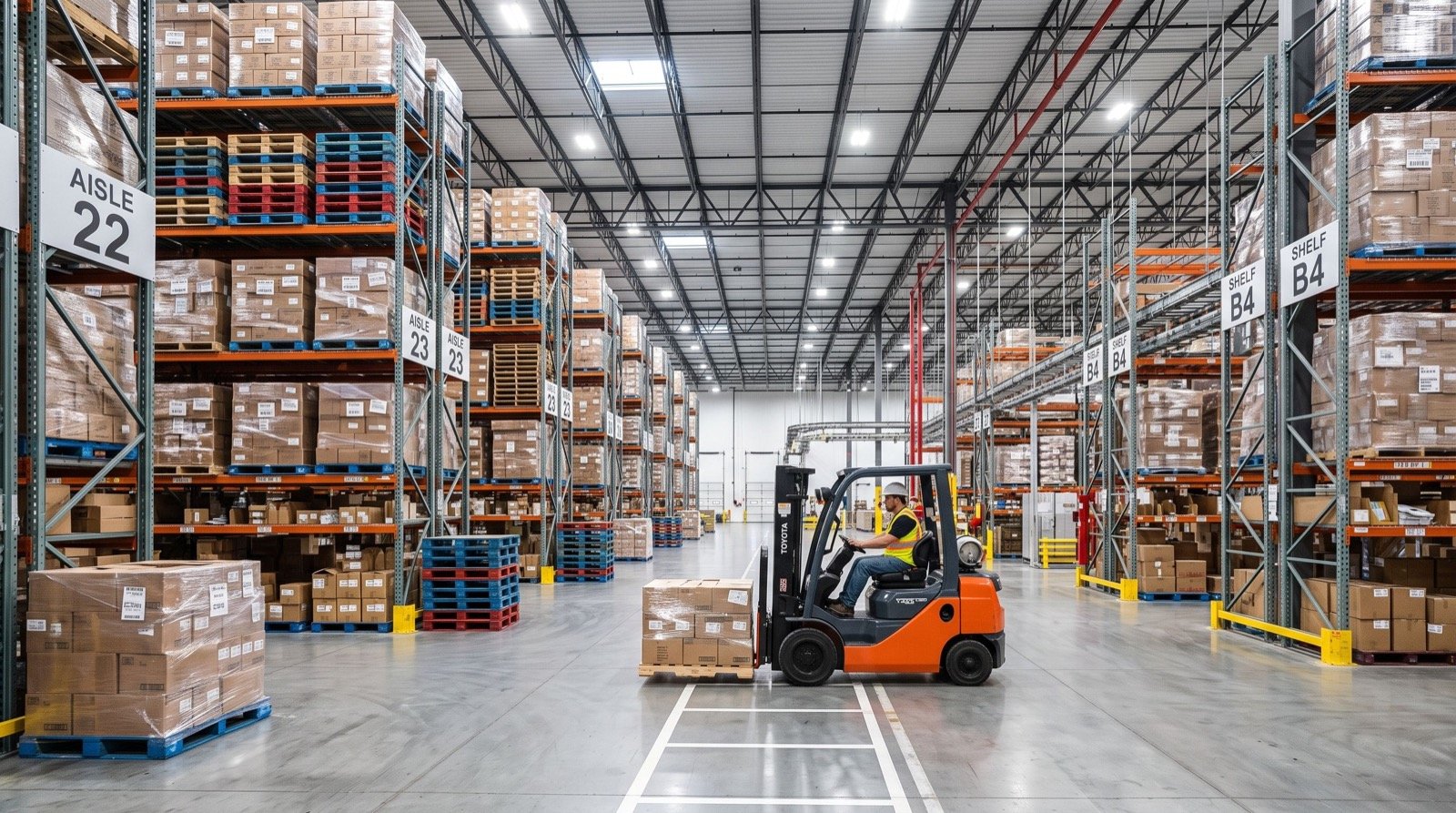
Dry storage refers to space kept at stable ambient conditions, protected from moisture, pests, and temperature swings, but without active refrigeration. It suits goods that do not spoil but can still be damaged by humidity: textiles, paper products, packaged foods with long shelf lives, electronics, furniture, and construction materials.
How Does Dry Storage Differ From Other Options?
Businesses importing a mixed container load often assume one storage type covers everything. It rarely does. Here is a quick comparison of the three categories most Jeddah importers deal with:
| Category | Humidity Control | Typical Goods |
|---|---|---|
| Dry Storage | Yes, moisture-protected | Textiles, dry foods, electronics, paper goods |
| Ambient Storage | Basic climate stability | General merchandise, furniture, packaging |
| Chilled Storage | Active refrigeration | Produce, dairy, cosmetics, certain medicines |
Most established providers in the region offer Dry Storage in Jeddah as a dedicated service line, separate from general ambient space, precisely because the handling requirements differ enough to matter. For businesses expanding beyond Jeddah into other regions, the same operators typically extend Ambient Storage in Saudi Arabia so inventory management stays consistent across cities.
Common Mistakes First-Time Importers Make
- Assuming “indoor storage” automatically means humidity-controlled storage.
- Not asking how pest control is scheduled and documented.
- Underestimating the pallet footprint needed during peak shipping seasons.
- Skipping a site visit and relying only on photos or a sales call.
Calculating Real Storage Costs in 2026
Rates vary by proximity to the port, contract length, and whether you need value-added services like repackaging or labeling. As a rough planning exercise, importers should budget for three cost layers:
- Base storage rate per pallet or square meter per month.
- Handling fees for every inbound and outbound movement.
- Any demurrage or detention charges if customs clearance runs long.
Businesses that negotiate handling fees upfront, rather than accepting a provider’s default rate card, often save a meaningful percentage over a full year of shipments.
Global Standards Behind the Supply Chain
Much of the paperwork and container handling discipline in Jeddah follows frameworks set by the World Customs Organization, which standardizes how cargo is classified and processed across borders. Storage providers who train staff against these frameworks tend to move goods out of the port zone faster, which translates directly into lower demurrage exposure for you.
This is one reason experience matters more than price alone. A provider that understands customs documentation will flag problems before they become expensive, while a cheaper but less experienced operator may only notice an issue once a container is already racking up fees.
Working With Trusted Partners
Finding trusted professionals is as important in logistics as it is in any other service industry. Ask any provider you are evaluating for client references in your specific product category, since a facility that handles frozen seafood well is not automatically good at handling paper goods or electronics.
Request a walkthrough of their intake process too. Watching how staff log and inspect an incoming shipment tells you more about their standards than any brochure ever will.
It is also worth asking how a provider handles seasonal surges. Jeddah sees predictable spikes around major retail and religious seasons, when container volumes climb sharply and storage space tightens across the whole corridor. A provider who can walk you through how they allocate overflow capacity during those weeks is telling you, in practical terms, how reliable they will be when you actually need the space most.
Technology matters here too. Many Jeddah facilities have moved to barcode or RFID-based inventory tracking over the past few years, which cuts down on manual counting errors and gives importers real-time visibility into stock levels. If a provider still relies entirely on paper logs in 2026, that is a signal worth weighing against their pricing, because the time you save in visibility often outweighs a small difference in monthly rate.
Frequently Asked Questions
How long can goods typically sit in dry storage?
There is no fixed limit for non-perishable goods, but most contracts set a review period, often 90 to 180 days, after which fees or terms may adjust. Always check this before signing.
Does dry storage protect against insects and rodents?
A properly run facility includes scheduled pest control and sealed storage areas. Ask for documentation of their pest management schedule before committing your inventory.
Can I store a mixed shipment across dry and chilled zones?
Yes, most full-service providers in Jeddah can split a single shipment across storage types, which is useful for mixed containers carrying both packaged dry goods and temperature-sensitive items.
What happens if my goods are damaged in storage?
A clear service agreement should outline liability, insurance coverage, and the claims process. Never store high-value inventory without this in writing.
Final Thoughts
Dry storage in Jeddah is not a commodity service, even though it is often sold as one. The right provider protects your margins through faster handling, better documentation, and fewer surprises at customs. Before your next shipment lands, take the time to vet your storage options properly rather than defaulting to whichever facility is closest to the port.