Drive-Thru Solution in Saudi Arabia: The 2026 Guide to Faster Lanes
Drive-thru lanes are no longer just for burgers. In 2026, pharmacies, banks, coffee chains, and click-and-collect retailers across the Kingdom compete on how fast and smooth their lanes run. A purpose-built Drive-Thru Solution in Saudi Arabia combines smart ordering, digital menu boards, and real-time analytics to cut wait times and lift order accuracy. This guide shows how the technology works and how to pick the right setup for your business.
Speed of service is the single biggest driver of drive-thru revenue. Every car that leaves because the line looked too long is lost income, so shaving seconds per order compounds into real growth over a year.
Why a Drive-Thru Solution in Saudi Arabia Matters More Than Ever
Saudi consumers increasingly expect quick, contactless, car-friendly service. A reliable Drive-Thru Solution in Saudi Arabia meets that demand by guiding each vehicle through ordering, payment, and pickup with minimal friction. The result is higher throughput during peak hours and a measurably better customer experience.
Industry data from the QSR industry press consistently shows that even small reductions in service time meaningfully increase daily car counts. Technology is now the main lever operators pull to win those seconds.
The Cost of a Slow Lane
- Drive-offs: Customers who see a long line leave before ordering.
- Order errors: Rushed, noisy ordering leads to remakes and refunds.
- Staff stress: Chaotic peaks burn out crews and hurt accuracy.
- No insight: Without timing data, managers cannot find the bottleneck.
Core Components of a Modern Drive-Thru Solution
A complete solution layers hardware and software into one connected lane. The table below outlines the essentials.
| Component | Function | Benefit |
|---|---|---|
| Digital menu board | Displays dynamic, time-based menus | Upsells and reduces confusion |
| Order confirmation screen | Shows the order back to the driver | Fewer errors and disputes |
| Intercom / audio | Clear two-way communication | Accurate orders in noisy lanes |
| Lane timers | Measures time at each stage | Pinpoints bottlenecks |
| Analytics dashboard | Tracks speed, volume, and peaks | Smarter staffing decisions |
Dynamic Menus and Upselling
Digital boards can change by time of day, weather, or inventory. They promote coffee in the morning and family meals at night, and they suggest add-ons automatically. This lifts average ticket size without slowing the lane, a quiet but powerful revenue win.
How Does a Drive-Thru Solution Reduce Wait Times?
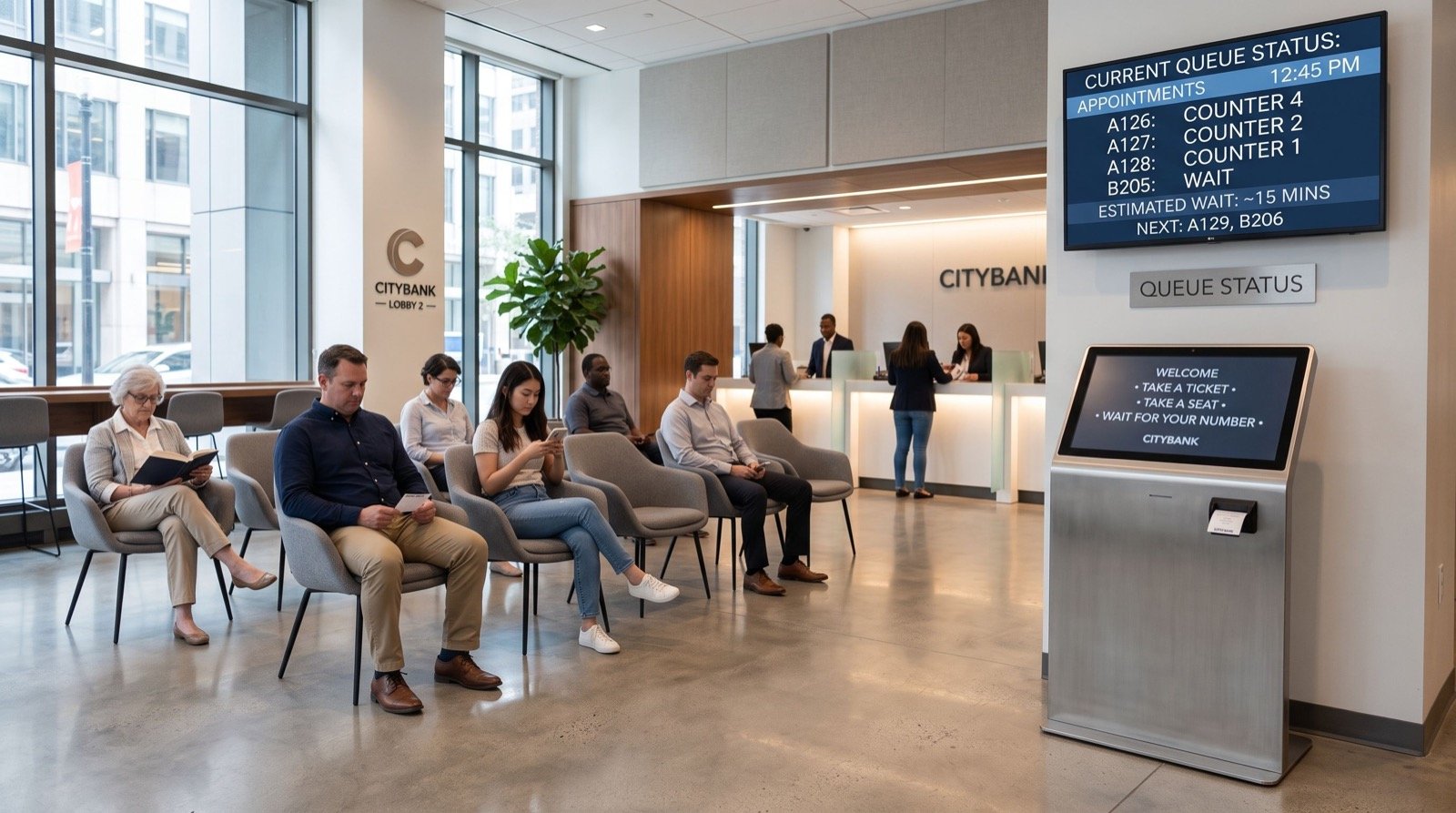
Speed comes from visibility and flow. Lane timers reveal exactly where cars stall, whether at the menu, the window, or payment. Managers then rebalance staff, adjust menu layouts, or add a second order point. Many operators also connect the lane to the same logic used in a queue management system in pakistan and other markets, applying proven vehicle-flow techniques to Saudi sites.
Parallel ordering, tandem windows, and order-ahead apps all help. The technology simply makes the invisible visible, so every improvement is backed by data rather than guesswork.
Order-Ahead and Mobile Integration
- Customers order and pay in an app before arriving.
- The kitchen receives the order early and begins preparation.
- A dedicated pickup lane keeps pre-orders separate from walk-up traffic.
- Total dwell time drops, and throughput rises during rush hours.
Choosing the Right Partner and Setup
Hardware alone will not fix a slow lane. Implementation, training, and support decide success. Evaluate vendors on these points:
- Reliability: Weatherproof hardware built for outdoor Saudi conditions.
- Localization: Arabic and English menus, audio, and reporting.
- Integration: Links to POS, kitchen display, and loyalty systems.
- Analytics: Clear timing reports and peak-hour heatmaps.
- Support: Fast local service to keep lanes open.
Engaging trusted professionals for installation and staff training ensures your lane goes live on time and your crew uses every feature from day one.
Measuring Success
Track total service time, cars per hour, order accuracy, and average ticket value before and after deployment. These four numbers tell you quickly whether the solution is earning its keep, and they make it easy to justify expansion to additional sites.
Industry Use Cases in 2026
Quick-service restaurants chase speed and upsells. Pharmacies prioritize accuracy and privacy for prescriptions. Banks use lanes for cash and document pickup, while grocery and retail brands lean on click-and-collect. One flexible Drive-Thru Solution in Saudi Arabia can be configured for each of these without a custom rebuild.
Common Drive-Thru Mistakes and How to Fix Them
Many lanes underperform not because of bad technology, but because of avoidable setup errors. Spotting these early protects your investment and your reputation.
- Cluttered menu boards: Too many choices slow decisions. Lead with best-sellers and clear pricing.
- No order confirmation: Without a confirmation screen, errors surface only at the window, where they cost the most time.
- Poor audio: Cheap intercoms cause mishears, remakes, and frustration. Invest in clear two-way sound.
- Ignoring timer data: Lane timers are useless if nobody reviews them. Assign an owner to act on the trends.
- Single pickup point: During rush hours, a second window or dedicated order-ahead lane prevents gridlock.
Fixing these is usually quick and low-cost, yet the combined effect on speed and accuracy is dramatic. A short weekly review of timing reports keeps small issues from becoming chronic bottlenecks.
Preparing Your Lane for Peak Season
Ramadan, holidays, and promotional launches push drive-thru traffic to its limits. Plan ahead by pre-loading seasonal menus, scheduling extra staff for forecasted peaks, and testing order-ahead capacity before the rush begins. Operators who rehearse their busiest day in advance keep lanes moving when it matters most, turning high-pressure periods into their most profitable hours of the year.
Frequently Asked Questions
How much faster can a Drive-Thru Solution in Saudi Arabia make my lane?
Results vary by site, but operators commonly cut meaningful seconds per order by fixing bottlenecks revealed through lane timers and adding order-ahead options. Over a day, those seconds translate into many more served cars.
Does the system support Arabic and English?
Yes. Quality solutions offer fully bilingual menu boards, audio, confirmation screens, and reports, which is essential for both customers and staff in the Kingdom.
Can it integrate with my existing POS?
Modern drive-thru platforms connect to common POS, kitchen display, and loyalty systems, so orders, payments, and promotions flow through one unified setup.
Is the hardware built for outdoor conditions?
Reputable vendors supply weatherproof, high-brightness displays and durable audio designed for heat, dust, and sun, ensuring reliable performance in Saudi climates.
Conclusion
In 2026, a well-designed Drive-Thru Solution in Saudi Arabia is one of the fastest paths to higher throughput, better accuracy, and happier customers. Prioritize weatherproof hardware, Arabic localization, deep timing analytics, and strong local support. Start by measuring your current lane, fix the biggest bottleneck first, then scale what works across every location. Faster lanes mean more cars, bigger tickets, and lasting loyalty.