Online Learning Courses: A Smart Buyer’s Guide for 2026
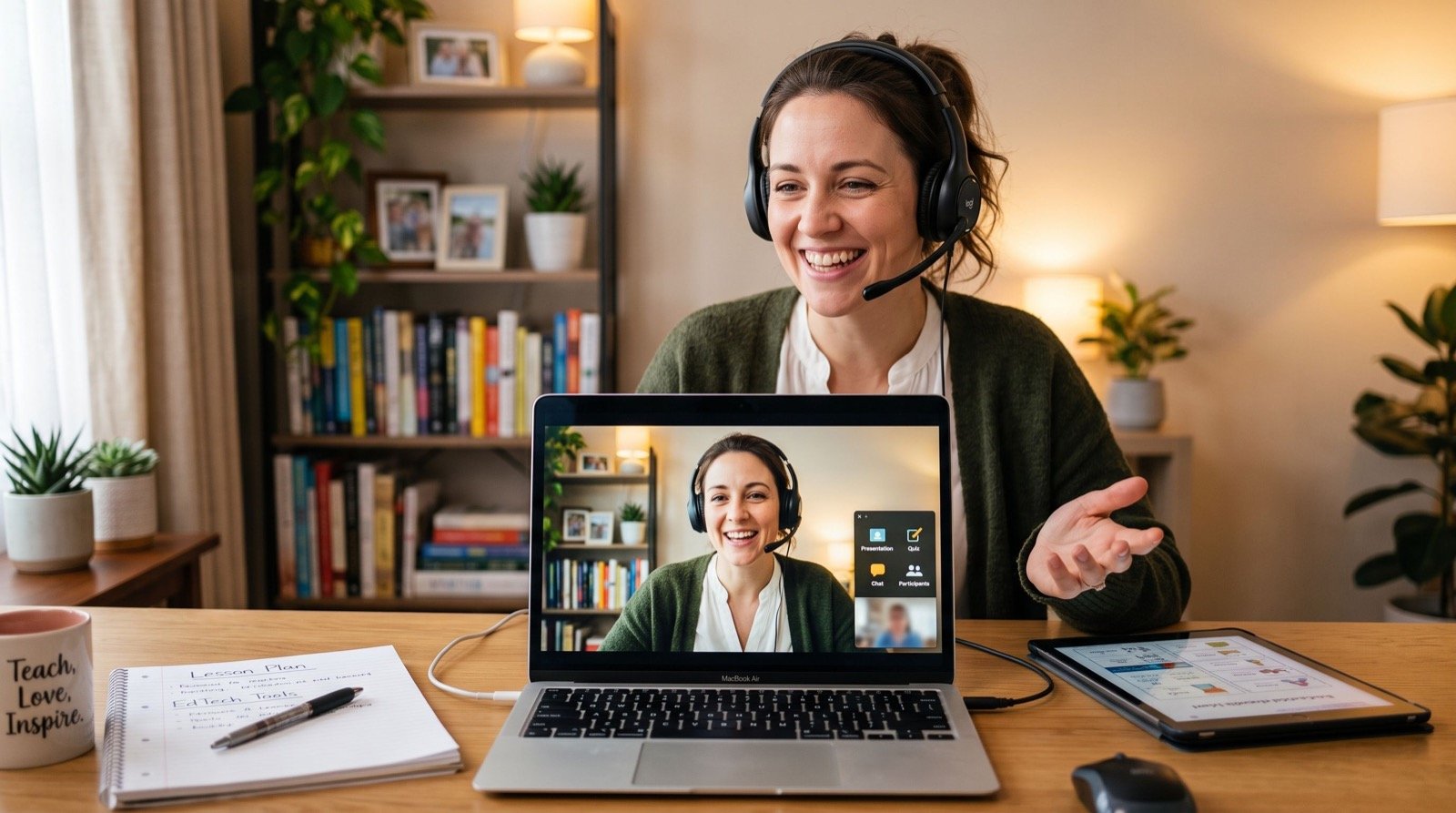
Choosing the right online learning courses can feel overwhelming when every platform promises the same thing: flexible hours, expert instructors, and a certificate at the end. In 2026, the number of options has exploded, which is great for choice but tough for decision-making. This guide breaks down exactly what to check before you pay for any course, so you spend your time and money on something that actually moves you forward.
Why Online Learning Courses Have Become the Default Choice
A decade ago, online study was seen as a backup plan for people who couldn’t attend a physical classroom. That perception has flipped. Today, working professionals, university students, and even school-age learners default to digital study because it fits around real life rather than forcing life to fit around a fixed timetable.
The shift isn’t just convenience. According to UNESCO’s work on digital learning, well-designed online education can match or exceed traditional classroom outcomes when it includes structured feedback and regular interaction with a real instructor, not just pre-recorded videos. That distinction matters more than most learners realize when picking a course.
What Changed Between 2020 and 2026
Early online courses were mostly static video libraries. Now, strong programs blend live sessions, graded assignments, and one-on-one mentoring. Learners expect feedback within days, not weeks, and platforms that can’t deliver that are losing ground fast.
How Do You Know a Course Platform Is Worth Your Money?
This is the question every learner should ask before entering card details. A handful of consistent signals separate platforms that deliver real skill gains from ones that just sell access to pretty video libraries.
- A clear, published curriculum you can read before enrolling, not a vague list of “modules.”
- Instructors with verifiable credentials or industry experience, listed by name.
- A sample lesson or free trial so you can judge teaching quality firsthand.
- Genuine student reviews that mention actual outcomes, not just star ratings.
- A refund or satisfaction policy that doesn’t hide behind confusing fine print.
Platforms offering structured online learning courses tend to score well on most of these points because the curriculum is built around measurable progress rather than passive watching. When a provider checks these boxes, you can enroll with far more confidence than you would with a random marketplace listing.
Picking a Subject: What Should You Actually Study First?
Many learners stall before they even start, simply because they can’t decide what to study. A practical approach is to separate your goals into three buckets: career skills, academic support, and personal interest. Each bucket calls for a different kind of course.
Career-skill courses should be short, outcome-focused, and tied to a specific tool or certification. Academic support, especially for school and university students, benefits far more from one-on-one tutoring than from generic video libraries, since struggling topics usually need a human who can adjust pace in real time. Personal-interest learning, like picking up a new language or a hobby skill, can afford a slower, more exploratory pace.
A Simple Comparison Table
| Course Type | Best Format | Typical Duration | What to Prioritize |
|---|---|---|---|
| Career / professional skill | Structured video + assignments | 4-10 weeks | Certification value, project work |
| Academic support (school/college) | Live one-on-one tutoring | Ongoing, term-based | Tutor-student fit, consistent scheduling |
| Exam preparation | Live classes + practice tests | 6-12 weeks | Track record on real exam results |
| Personal interest / hobby | Self-paced video library | Open-ended | Flexibility, no pressure to rush |
Why Local Tutoring Still Matters Alongside Online Courses
Online video libraries are excellent for building broad knowledge, but students who are stuck on a specific subject often need something more personal: a tutor who can explain a concept three different ways until it clicks. This is where live, one-on-one support closes the gap that pre-recorded lessons can’t.
Families in Islamabad increasingly combine both approaches, using structured courses for steady progress and pairing them with the best tutors in Islamabad for subjects where a student is falling behind. This hybrid model tends to outperform either approach used alone, since it covers both breadth and depth.
Signs a Student Needs One-on-One Support
Watch for repeated low scores on the same topic, growing reluctance to do homework, or a student who can follow a video lesson but can’t apply it to a new problem. These are reliable signs that group or self-paced learning alone isn’t enough anymore.
Building a Study Routine That Actually Sticks
Enrolling in a course is the easy part. Finishing it, and retaining what you learned, takes a routine. Short, consistent sessions beat occasional long cram sessions almost every time, because spaced repetition helps information move into long-term memory.
- Block a fixed 30-60 minute slot on your calendar, ideally the same time each day.
- Review the previous lesson’s notes for five minutes before starting new material.
- Complete at least one practice exercise per session instead of only watching.
- Track progress weekly so small wins stay visible and motivating.
Learners who also need reliable support for everyday logistics, like finding quality service providers for other parts of life, tend to apply the same careful comparison habits across the board. Being a discerning buyer in one area usually carries over into how you choose a course platform too.
What Does a Trustworthy Online Course Look Like in Practice?
Put simply, a trustworthy course gives you clarity before you pay: clear outcomes, a visible instructor, and a way to test the experience before committing fully. Avoid any platform that pressures you with countdown timers or refuses to answer direct questions about its teaching approach.
By 2026, learners have enough reliable options that there’s no reason to settle for a vague, low-quality course. Take the time to compare two or three platforms before enrolling, and lean toward the one that treats your questions seriously.
Frequently Asked Questions
How much should I expect to pay for a good online course?
Prices vary widely by subject and format, but quality live tutoring and structured courses typically cost more than passive video libraries because they include real instructor time. Treat unusually cheap, unlimited-access courses with some caution.
Are self-paced courses as effective as live classes?
Self-paced courses work well for motivated learners studying a topic they already have some grounding in. For new or difficult subjects, live instruction with feedback tends to produce faster, more reliable progress.
How long does it take to see real progress in an online course?
Most learners notice measurable improvement within 4-6 weeks of consistent study, assuming they practice regularly rather than only watching lessons passively.
Can online learning courses replace a tutor entirely?
They can for broad, self-directed learning, but students struggling with a specific subject usually benefit from pairing courses with one-on-one tutoring for faster, more targeted results.
Choosing well among online learning courses in 2026 comes down to patience: check the curriculum, test a sample lesson, and read real student feedback before you commit. Do that consistently, and you’ll spend your study time on courses that genuinely build skills instead of ones that just look good in an ad.